Sofa Cleaning in Modern Homes: Practical Methods, Benefits, and Expert Tips
Why Sofa Cleaning Matters for Every Home

Sofa cleaning is one of the most important parts of home maintenance, yet it is often delayed until stains, odors, or visible dust become impossible to ignore. A sofa is used daily by family members, guests, children, and pets, which means it collects dirt faster than many other pieces of furniture. Regular sofa cleaning helps preserve the appearance of your living space while also supporting better indoor hygiene.
When people think about keeping their homes clean, they usually focus on floors, kitchens, and bathrooms. However, upholstery absorbs body oils, food crumbs, pet dander, and airborne particles over time. That is why sofa cleaning should be treated as a routine task rather than an occasional chore. A clean sofa improves comfort, makes a room look fresher, and can even extend the life of the fabric or leather.
Another reason sofa cleaning is so valuable is that it helps reduce allergens. Dust mites and other microscopic particles often settle deep into cushions and seams. If you or your family members suffer from allergies or respiratory sensitivity, regular upholstery cleaning can make a noticeable difference. In other words, a clean sofa is not just about looks; it is about creating a healthier environment.
Understanding Different Sofa Materials

Before starting any sofa cleaning routine, it is essential to understand the material you are dealing with. Different fabrics require different methods, products, and levels of care. Using the wrong cleaner or too much water can damage the upholstery, fade the color, or leave unwanted marks. That is why identifying the material is the first smart step in sofa cleaning.
Common sofa materials include cotton, linen, microfiber, velvet, leather, synthetic blends, and performance fabrics. Each one responds differently to moisture and cleaning agents. For example, microfiber tends to tolerate light cleaning well, while velvet needs a gentler touch to avoid crushing the pile. Leather sofas require special conditioners, while fabric sofas may benefit from dry cleaning powders or steam cleaning depending on the manufacturer’s instructions.
Most sofas come with care labels that use cleaning codes. These codes usually indicate whether the upholstery can be cleaned with water, solvent-based products, or only professional methods. Always check the label before attempting any deep sofa cleaning process. Taking a few minutes to understand the fabric can save you from expensive mistakes later.
Common Cleaning Codes
- W - Water-based cleaning is safe.
- S - Use solvent-based cleaning only.
- WS - Water or solvent-based methods are both acceptable.
- X - Vacuum only; professional cleaning may be required.
Preparing for Sofa Cleaning the Right Way

Preparation is a crucial part of sofa cleaning because it helps prevent damage and makes the process more effective. Start by removing cushions, throws, and any loose items from the sofa. Then vacuum the entire surface carefully, including seams, crevices, and the space under the cushions. This step removes loose dust, hair, and crumbs before any liquid or cleaning product is introduced.
After vacuuming, inspect the sofa for stains, worn areas, and signs of fabric damage. Knowing where problem spots are located helps you focus your cleaning efforts. If you have pets or children, you may find sticky residue, food spills, or hidden debris in corners and between cushions. Spot-checking the sofa before cleaning also lets you test products on an inconspicuous area.
It is also a good idea to gather all your cleaning supplies in advance. Depending on the sofa type, you may need a soft brush, microfiber cloths, white vinegar, baking soda, a gentle upholstery cleaner, a steam cleaner, or leather-safe products. Having everything ready before you begin makes sofa cleaning smoother and more organized.
Useful Preparation Checklist
- Vacuum with upholstery attachment
- Soft-bristle brush
- Microfiber cloths
- Bucket of warm water
- Upholstery-safe cleaner
- Baking soda for odor control
- Protective gloves if needed
Step-by-Step Sofa Cleaning Methods

There is no single method for every sofa, which is why sofa cleaning must be adapted to the material and condition of the furniture. A basic cleaning routine often begins with vacuuming, followed by stain treatment, and then a deeper cleaning approach if needed. By working step by step, you can maintain the sofa without over-wetting it or damaging the upholstery.
For many fabric sofas, a mild solution of warm water and a small amount of upholstery cleaner works well for general refreshment. Lightly dampen a microfiber cloth and blot the surface instead of scrubbing aggressively. Scrubbing can push dirt deeper into the fibers and spread the stain. If the stain is stubborn, apply the cleaner to the cloth rather than directly onto the fabric.
Leather sofa cleaning follows a different process. Dust the surface first, then wipe it gently with a barely damp cloth. Avoid harsh chemicals or excessive water, as these can dry out the leather and cause cracking. After cleaning, use a leather conditioner to maintain softness and reduce wear. This is especially important if the sofa receives daily use or is exposed to sunlight.
Popular Sofa Cleaning Approaches
- Vacuuming to remove surface dirt and debris.
- Spot cleaning for spills and visible marks.
- Steam cleaning for compatible fabric sofas.
- Dry cleaning for delicate materials.
- Leather treatment using leather-safe products.
Steam cleaning can be highly effective for certain upholstery types because it helps loosen embedded grime and sanitize the fabric. However, it should only be used when the care label allows it. Overheating or over-wetting can cause shrinkage, water rings, or fabric distortion. As with any sofa cleaning method, moderation is key.
How to Handle Common Sofa Stains
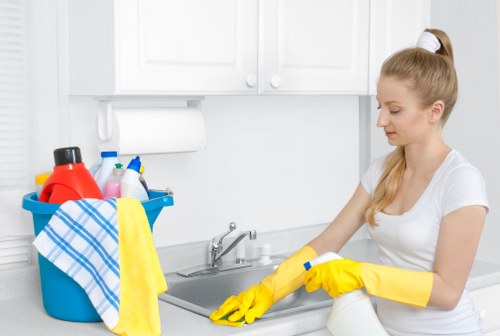
Stains are one of the main reasons people seek sofa cleaning solutions. The best approach is always to act quickly. Fresh stains are much easier to treat than dried ones, and prompt action can prevent permanent discoloration. Blot the spill immediately with a clean cloth to absorb as much of the liquid as possible. Avoid rubbing, because that often spreads the stain and pushes it deeper into the fibers.
Different stains require different treatment methods. For food spills, a mild soap solution may be enough. For grease, a dry absorbent powder such as baking soda can help lift the residue before vacuuming. For beverage stains, especially coffee or juice, gentle blotting with water and upholstery cleaner may work effectively. Always test the product on a hidden section first to avoid unexpected color changes.
Pet stains can be especially challenging because they may leave both marks and odors. In these cases, enzyme-based cleaners are often useful because they break down organic material. If the stain has soaked into the cushion, deeper sofa cleaning may be needed to address the smell as well as the visual damage. A thorough response helps restore both freshness and comfort.
Quick Stain Response Tips
- Act immediately instead of waiting.
- Blot, do not rub.
- Use a cleaner suitable for the fabric type.
- Work from the outside of the stain toward the center.
- Allow the area to dry fully before using the sofa again.
Natural Sofa Cleaning Solutions That Work
Many homeowners prefer natural cleaning methods because they are affordable, easy to make, and often gentler on upholstery. These solutions can be especially helpful for routine sofa cleaning or for tackling mild stains and odors. However, natural does not always mean universally safe, so patch testing is still important before widespread use.
One of the most popular homemade solutions involves a mixture of white vinegar, warm water, and a small amount of mild dish soap. This can be effective for lifting light dirt and freshening the fabric. Baking soda is another useful option, especially for odor removal. Sprinkle it over the sofa, leave it for a period of time, and then vacuum thoroughly.
For households that prefer fragrance-free cleaning, plain water and a microfiber cloth can go a long way when used correctly. The goal of sofa cleaning is not always to saturate the fabric with chemicals; sometimes, consistent care and light maintenance are enough to keep the upholstery looking and smelling clean.
Simple Natural Cleaning Ideas
- White vinegar solution for light surface cleaning
- Baking soda for odor absorption
- Warm water and mild soap for general spot treatment
- Microfiber cloth for gentle wiping
- Soft brush for lifting dust from fabric texture
Tip: If you are unsure whether a natural product will suit your upholstery, test it in a hidden spot before applying it to visible sections. This small step supports safer and more effective sofa cleaning.
Deep Sofa Cleaning for a Fresher Living Space
Deep sofa cleaning becomes necessary when regular maintenance is not enough to remove buildup, odors, or embedded grime. Over time, even well-cared-for sofas collect particles that are invisible at first glance. A deeper clean can restore the look of the fabric, improve freshness, and make the sofa feel more inviting.
Deep cleaning usually includes vacuuming, stain treatment, deodorizing, and a more intensive fabric-safe cleaning method. For fabric sofas, steam extraction or professional upholstery services may be the best choice when heavy soiling is present. For leather, deep cleaning involves conditioning and careful residue removal rather than saturation. The right method depends on the furniture type and the severity of the buildup.
Many people schedule deep sofa cleaning seasonally or a few times a year, depending on household activity. Homes with pets, small children, or frequent visitors may need more frequent care. A regular deep-cleaning schedule helps prevent dirt from settling deeply into the cushions, which makes each cleaning session easier and more effective.
Signs Your Sofa Needs a Deep Clean
- Persistent odors even after routine cleaning
- Visible stains or dullness
- Allergy symptoms that worsen around the sofa
- Sticky or gritty texture on the fabric
- Pet hair embedded in seams and cushions
Professional Sofa Cleaning vs. DIY Cleaning
Both professional and DIY sofa cleaning have advantages, and the right choice depends on your sofa’s condition, material, and your comfort level. DIY cleaning is often suitable for light maintenance, small stains, and regular upkeep. It can be cost-effective and convenient, especially when the sofa is made from a durable material that responds well to basic care.
Professional sofa cleaning is often worth considering when the upholstery is delicate, heavily stained, or difficult to clean safely at home. Professionals typically have specialized equipment and experience with a wide range of fabrics. They can also handle odor removal, deep extraction, and stain-specific treatment more efficiently than basic household methods.
If you are deciding between the two, think about the value of the furniture, the type of stain, and how much risk you are willing to take. A high-quality sofa can be expensive to replace, so investing in expert sofa cleaning may save money in the long term by extending its lifespan. Book your service now if you need a deeper level of care for your upholstery.
When DIY Works Best
- Routine maintenance and light dust removal
- Fresh spills treated immediately
- Durable fabrics with clear care instructions
- Minor odors or surface marks
When Professionals Are a Better Choice
- Delicate or high-value upholstery
- Old, set-in stains
- Strong pet odors or smoke residue
- Large sectional sofas or heavily used furniture
Maintaining a Clean Sofa Between Deep Cleans
Once a sofa has been cleaned, the next challenge is keeping it that way. Regular maintenance is the secret to making sofa cleaning less stressful and less frequent. Small habits can prevent buildup and preserve the results of a deeper clean. For example, vacuuming once a week can stop dust and crumbs from becoming embedded in the upholstery.
Using throws and removable covers can also help protect the sofa from everyday wear. These accessories are easy to wash and can shield the main upholstery from spills, pet fur, and sunlight exposure. Rotating cushions regularly is another simple but effective practice because it helps distribute wear evenly and reduces flattening.
It is also helpful to set rules for food and drinks on the sofa, especially in homes with children. Even small changes can reduce the number of stains that need attention later. A cleaner sofa lasts longer, looks better, and requires less intense maintenance over time. That is one reason sofa cleaning should always be paired with prevention.
Weekly Sofa Care Habits
- Vacuum cushions, seams, and crevices.
- Brush away pet hair before it settles.
- Check for new stains and treat them quickly.
- Air out the room to reduce trapped odors.
- Rotate cushions if the design allows it.
Health and Comfort Benefits of Sofa Cleaning
Sofa cleaning has benefits that go beyond visual appeal. A freshly cleaned sofa can improve the comfort of your home in many ways. For one, it reduces the buildup of allergens, which can be helpful for anyone with sensitivities. It also minimizes unpleasant smells caused by spills, pets, food, and general use.
There is also a psychological benefit to a clean living space. A tidy, fresh-smelling sofa contributes to a sense of order and relaxation. Since the sofa often serves as the center of family time, movie nights, and guest seating, keeping it clean improves the overall atmosphere of the room. Small details like this can make the entire home feel more welcoming.
In addition, sofa cleaning helps preserve the texture and structure of the furniture. Dirt particles can act like abrasives, wearing down fibers over time. By removing them regularly, you reduce friction and preserve the integrity of the upholstery. This not only improves comfort but also protects your investment in the long run.
Key Benefits at a Glance
- Better indoor hygiene
- Reduced allergens and dust buildup
- Improved appearance and freshness
- Longer upholstery lifespan
- Greater comfort for daily use
Choosing the Right Sofa Cleaning Routine
The ideal sofa cleaning routine depends on how often the sofa is used and what it is made of. A formal living room sofa may need lighter maintenance than a family-room sectional used every day. Similarly, a leather sofa may require conditioning more often than a fabric one needs shampooing. The best routine is the one that fits both the material and the lifestyle of the household.
A balanced approach often works best. Weekly vacuuming, monthly spot checks, seasonal deodorizing, and occasional deep sofa cleaning can keep upholstery in excellent condition. If you have pets or small children, you may want to increase the frequency of surface cleaning and stain treatment. The key is consistency rather than waiting until the sofa looks visibly dirty.
When in doubt, start with the gentlest possible method and build up only if necessary. This approach reduces the risk of fabric damage while still keeping the sofa fresh. Over time, you will become more confident in reading the needs of your furniture and choosing the right sofa cleaning method for each situation.
Keeping your sofa clean is one of the simplest ways to improve your home’s comfort, appearance, and hygiene. Whether you prefer DIY care or professional upholstery cleaning, regular attention makes a real difference. If your sofa is due for a deeper refresh, contact us today to learn more about service options or book your service now to restore a cleaner, healthier living space.