Oven Cleaning in Your Home: A Practical, SEO-Friendly Approach to a Sparkling Kitchen
Oven cleaning is one of those household tasks that many people put off until the last possible moment. It is messy, time-consuming, and often more stubborn than expected. Yet regular oven cleaning does far more than improve appearance. It helps your appliance run more efficiently, reduces smoke and odors, supports better-tasting food, and can even extend the life of your oven. Whether you are dealing with baked-on grease, carbonized food spills, or an oven that has not been cleaned in months, understanding the right approach makes the process easier and safer.
In this article, we will explore oven cleaning in a practical, reader-friendly way, covering why it matters, how to do it properly, what mistakes to avoid, and when professional oven cleaning may be the best option. If you want a cleaner kitchen, better cooking results, and a more hygienic home environment, this is the perfect place to start.
From self-cleaning ovens to natural cleaning solutions and heavy-duty degreasing techniques, oven cleaning can be adapted to different needs and lifestyles. The goal is not only to remove visible dirt but also to build a smarter cleaning routine that saves time and protects your appliance over the long term.
Why Oven Cleaning Matters More Than You Think

Oven cleaning is often viewed as an occasional chore, but in reality, it plays a major role in household hygiene and cooking performance. Every time you roast, bake, or broil food, tiny splatters of grease and particles can settle on oven walls, racks, and trays. Over time, these residues build up into sticky layers that are harder to remove and can affect how the oven works.
One of the biggest benefits of regular oven cleaning is improved cooking results. When residue accumulates, it can create hot spots, unpleasant smells, and even smoke during cooking. That smoke can seep into food, altering flavor and making your kitchen less pleasant. A clean oven supports more even heat distribution and more predictable results, especially for baking.
Another reason oven cleaning is important is safety. Built-up grease and burnt food can produce excessive smoke, and in severe cases, may become a fire hazard. Maintaining a clean oven helps reduce those risks. It also keeps the appliance in better condition, which can prevent unnecessary repairs and prolong its lifespan.
Benefits of regular oven cleaning
- Better cooking performance with more consistent heat
- Less smoke and odor during baking and roasting
- Improved kitchen hygiene by removing old grease and food debris
- Longer appliance life through reduced strain on internal parts
- Lower fire risk from accumulated residue
Common Signs Your Oven Needs Cleaning

Sometimes it is obvious that oven cleaning is overdue. Other times the signs are subtle. If your oven emits a strong smell when heated, smokes during use, or leaves food tasting slightly burnt, those are clear indicators that grime has built up inside.
Visible grease on the door window, dark patches on the base of the oven, and stubborn stains on the racks are all common signs. You may also notice that the oven takes longer to heat properly or that the temperature feels inconsistent. While not every performance issue is caused by dirt, a dirty oven can certainly make the situation worse.
Pay attention to the self-cleaning function, too. If you own a self-cleaning oven, the cycle may not fully remove heavy buildup, especially around edges, racks, and the door seal. In those cases, manual oven cleaning is still necessary to keep the appliance in top shape.
Signs to watch for
- Smoke appearing when the oven is turned on
- Burnt or stale odors during cooking
- Visible grease and baked-on splatter
- Food cooking unevenly
- Sticky or darkened oven racks
- Discoloration around the door or interior walls
Different Oven Cleaning Methods to Consider
There is no single best method for oven cleaning. The right technique depends on how dirty the oven is, what type of oven you own, and whether you prefer natural products or stronger commercial solutions. A light maintenance clean may need only warm water and mild soap, while a heavily soiled oven often requires a degreaser or baking soda paste.
Manual cleaning is the most hands-on approach and gives you control over every surface. It is especially useful for ovens with persistent stains or areas that the self-cleaning cycle cannot reach. This method usually involves removing the racks, wiping away loose debris, applying a cleaning solution, and scrubbing carefully with non-abrasive tools.
Self-cleaning ovens use very high heat to turn residue into ash, which can then be wiped out. While convenient, this process can create strong odors and may not be suitable for all households. It is also important to follow the manufacturer’s instructions carefully, since some ovens should not have racks left inside during the cycle.
Popular oven cleaning options
- Baking soda and vinegar for a gentler, natural clean
- Commercial oven cleaners for heavy grease and burnt-on food
- Steam cleaning for softening residue before wiping
- Self-cleaning mode for select oven models
- Professional oven cleaning for deep, detailed results
How to Clean an Oven Safely and Effectively
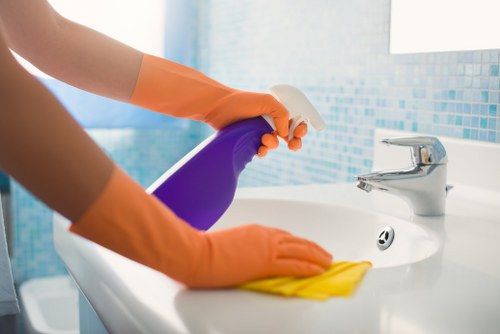
Successful oven cleaning starts with preparation. Before applying any product, make sure the oven is completely cool and disconnected from power if necessary. Remove loose crumbs, take out the racks, and protect nearby surfaces. Good ventilation is essential, especially if you are using a stronger cleaner.
A simple baking soda paste is a popular choice for oven cleaning at home. Mix baking soda with a small amount of water until it forms a spreadable paste, then apply it to the interior surfaces, avoiding heating elements and sensitive parts. Let it sit for several hours or overnight for best results. The paste helps loosen grease and grime so it can be wiped away more easily.
After the paste has had time to work, use a damp cloth or sponge to remove it. A vinegar spray can help lift any remaining residue and neutralize lingering smells. For stubborn spots, gently use a plastic scraper or non-scratch pad. The aim is to remove buildup without damaging the oven’s interior coating.
Step-by-step oven cleaning process
- Switch off the oven and let it cool fully.
- Remove racks, trays, and loose crumbs.
- Apply your chosen cleaning solution to the interior.
- Allow time for the cleaner to break down grease.
- Wipe and scrub carefully with soft tools.
- Clean racks separately before returning them.
- Dry all surfaces before using the oven again.
Helpful safety tips
- Wear gloves when using commercial cleaning products.
- Avoid mixing chemicals, especially bleach and ammonia-based products.
- Keep the kitchen well ventilated.
- Do not use sharp metal tools that can scratch the oven.
Cleaning Oven Racks, Glass Doors, and Hidden Areas
Oven cleaning should never stop at the interior walls. Racks, glass doors, vents, and seals all collect residue and need attention as well. The racks are usually best cleaned separately in a sink or bathtub using warm water, dish soap, and baking soda. Soaking them for a few hours can soften stuck-on grime and make scrubbing easier.
The glass oven door often develops a cloudy layer from grease and splashes. A non-abrasive sponge and a mild cleaner usually work well here. If the buildup is heavy, apply a baking soda paste and let it sit before wiping it off. Be careful around rubber seals and the edges of the glass, since these areas can be more delicate than they appear.
It is also wise to check the corners, hinges, vents, and interior crevices during oven cleaning. These hidden areas often trap crumbs and grease that are easy to overlook. A soft brush, microfiber cloth, or cotton swab can help reach tight spots without causing damage. The more thoroughly you clean these areas, the better your oven will perform over time.
Areas people often forget
- Door glass and edges
- Racks and trays
- Rubber seals and gaskets
- Vent openings
- Hinges and corner joints
- Control panel surrounds
Natural vs. Commercial Oven Cleaning Products
Many households prefer natural oven cleaning methods because they are affordable, easy to find, and generally less harsh. Baking soda, vinegar, lemon juice, and warm water can handle routine grime effectively. These ingredients are especially useful for maintenance cleaning and for households that want to avoid strong chemical odors.
Commercial oven cleaners, on the other hand, are often better for heavily baked-on grease or neglected ovens. They are designed to cut through stubborn carbon and can save time when a deep clean is needed. Still, they must be used with care. Reading labels, following directions, and ensuring proper ventilation are essential for safe use.
The best choice often depends on the state of the oven and the preferences of the household. Many people combine both approaches, using natural cleaning for regular upkeep and stronger products only when the buildup becomes more difficult. This balanced strategy keeps oven cleaning manageable and reduces the need for aggressive scrubbing.
Natural cleaners
- Baking soda: softens grime and neutralizes odors
- Vinegar: helps dissolve residue and freshen surfaces
- Lemon: adds a pleasant scent and mild cleaning action
Commercial cleaners
- Foam sprays for sticky grease
- Heavy-duty degreasers for carbonized deposits
- Oven-specific gels for targeted application
How Often Should You Clean Your Oven?
The ideal oven cleaning frequency depends on how often you cook and what types of meals you prepare. If you use your oven frequently for roasting, baking, or grilling, a light wipe-down every few weeks is a smart habit. A deeper oven cleaning every one to three months can help prevent thick buildup from forming.
For lighter-use households, cleaning every few months may be enough. However, it is a good idea to address spills quickly instead of waiting until they harden. Fresh spills are much easier to clean than burnt-on residue, and regular attention makes each cleaning session faster and less stressful.
Weekly maintenance can also make a big difference. A quick wipe after the oven has cooled helps stop dirt from becoming permanent. Simple habits like placing trays under messy dishes, covering food when appropriate, and checking the oven after use can reduce the workload significantly.
Suggested cleaning schedule
- After every spill: wipe once the oven is cool
- Weekly: remove crumbs and clean the door glass
- Monthly: check racks, corners, and removable parts
- Quarterly: perform a full oven cleaning
When Professional Oven Cleaning Makes Sense
Although many people can handle basic oven cleaning on their own, there are times when professional help is the better choice. If the oven has years of heavy buildup, if the self-cleaning mode has failed, or if you simply want to save time, a professional service can provide a deeper and more efficient result.
Professional oven cleaning is especially useful for busy households, landlords, vacation properties, and anyone preparing a kitchen for sale or inspection. Technicians often have access to specialized tools and cleaning products that remove grime without damaging the appliance. They also know how to handle different oven types safely, including gas, electric, and built-in models.
If you are considering expert help, look for a service that focuses on careful, detailed oven cleaning rather than a rushed surface wipe. A properly cleaned oven should look refreshed, smell better, and perform more reliably afterward. Book your service now if you want to free up time and enjoy a cleaner kitchen sooner.
Good reasons to hire a professional
- Heavy grease and burnt residue
- Time-saving convenience
- Deep cleaning of hard-to-reach areas
- Safer handling of stronger products
- Better results for neglected ovens
Common Mistakes to Avoid During Oven Cleaning
Even with the best intentions, oven cleaning can go wrong if you use the wrong tools or products. One common mistake is scrubbing with steel wool or sharp objects, which can scratch surfaces and damage the oven’s protective coating. Another is using too much liquid, which may seep into sensitive areas and cause problems.
Some people also forget to rinse away cleaning residue completely. This can leave behind odors or even affect food flavor the next time the oven is used. Always wipe thoroughly after using any cleaner, and allow the oven to dry fully before heating it again. If you are using a commercial product, follow the label carefully and never mix it with another chemical.
Finally, avoid rushing the process. Effective oven cleaning often requires time for the cleaner to loosen buildup. Giving the product time to work means less scrubbing later and a better overall result. Patience is one of the simplest ways to make the job easier and more successful.
Mistakes to avoid
- Using abrasive pads on delicate surfaces
- Mixing incompatible chemicals
- Ignoring the racks and door glass
- Forgetting to ventilate the area
- Turning the oven back on before it is dry
Keeping Your Oven Cleaner for Longer
The best oven cleaning strategy is one that makes future cleanups easier. Small habits can dramatically reduce grease buildup and extend the time between deep cleans. For example, placing a baking tray under bubbling casseroles or roasting dishes can catch spills before they harden onto the oven floor.
Another useful habit is to wipe the oven door and any visible splatter after cooking, once the appliance has cooled. That small action takes only a minute but can prevent layers of grime from forming. It is also helpful to check the oven regularly for crumbs, drips, or burnt spots so you can deal with them quickly.
Consistency matters. A little routine maintenance is far easier than a full-scale restoration later. By making oven cleaning part of your regular household schedule, you can keep the appliance looking better, working better, and smelling fresher throughout the year.
Simple habits that help
- Cover dishes that are likely to bubble or splatter
- Wipe spills as soon as the oven is cool
- Use trays and liners where appropriate
- Schedule regular maintenance cleaning
- Inspect racks and seals during each clean
Final Thoughts on Oven Cleaning in the Home
Oven cleaning does not need to be overwhelming. With the right approach, it becomes a manageable part of home maintenance that supports better cooking, safer operation, and a more pleasant kitchen environment. Whether you prefer natural cleaning methods, commercial products, or professional support, the key is consistency.
A clean oven is not just about appearance. It reflects a healthier kitchen routine and helps your appliance perform as it should. From the racks and glass door to the interior walls and hidden corners, every part of the oven benefits from regular care. If your oven is overdue for attention, now is the perfect time to act.
Contact us today to take the next step toward a cleaner, fresher kitchen atmosphere, or book your service now if you want expert help with stubborn buildup. Regular oven cleaning can transform an overlooked appliance into one that works efficiently and looks great every day.