Brockwell Park stain removal guide Brixton cleaners
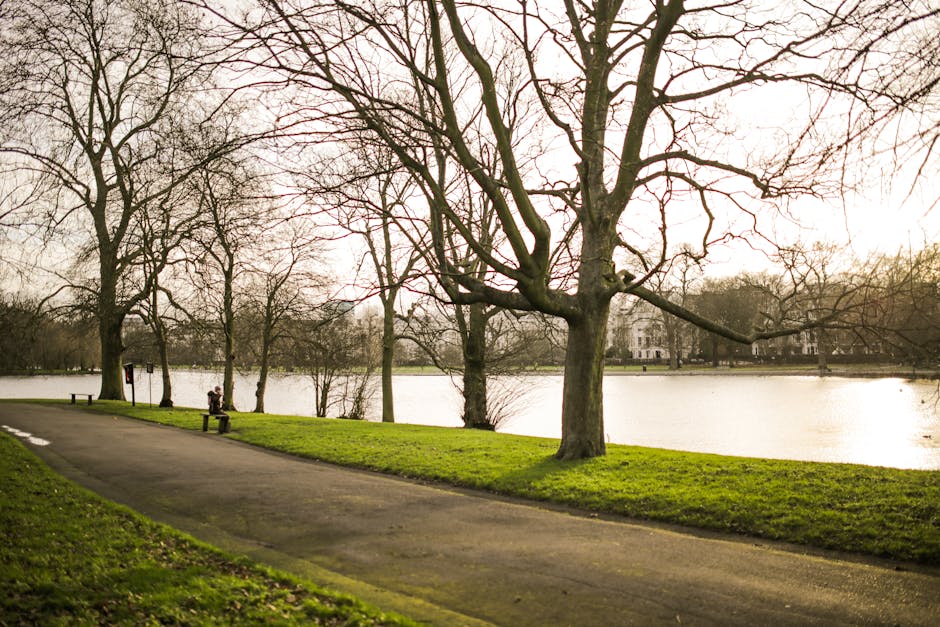
If you have ever come back from Brockwell Park with grass on your knees, coffee on a hoodie, or a muddy patch that seems to have appeared out of nowhere, you are not alone. This Brockwell Park stain removal guide Brixton cleaners is designed for the real-life messes that happen after a picnic, a run, a dog walk, or a breezy afternoon on the common. The aim is simple: help you deal with stains quickly, safely, and without making them worse. A little patience goes a long way here, honestly.
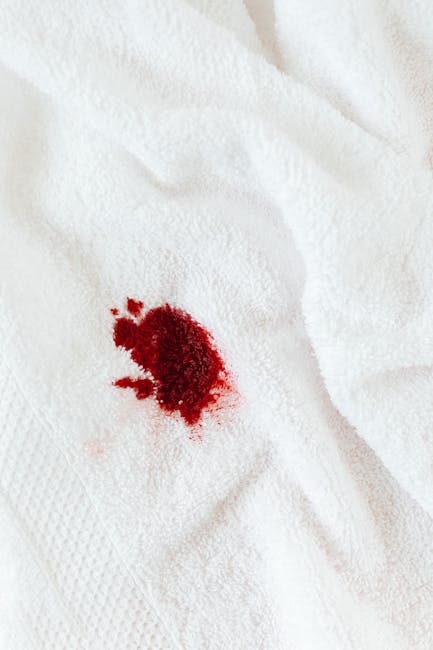
In our experience, most stain problems are not about fancy products. They are about timing, fabric awareness, and not panicking. Whether you are cleaning trainers, denim, upholstery, or a rug, the same principle applies: lift the stain first, treat it gently, and avoid heat until you are sure the mark has gone. Below, you will find a practical guide with step-by-step advice, useful comparisons, common mistakes, and when it makes sense to bring in professional support such as carpet cleaning, rug cleaning, or upholstery cleaning.
Quick takeaway: the fastest stain removal method is usually the safest one too. Blot, do not rub. Test first. Work from the outside in. And if the item is delicate, valuable, or badly stained, stop early and get expert help.
Table of Contents
- Why Brockwell Park stain removal guide Brixton cleaners Matters
- How Brockwell Park stain removal guide Brixton cleaners Works
- Key Benefits and Practical Advantages
- Who This Is For and When It Makes Sense
- Step-by-Step Guidance
- Expert Tips for Better Results
- Common Mistakes to Avoid
- Tools, Resources and Recommendations
- Law, Compliance, Standards, or Best Practice
- Options, Methods, or Comparison Table
- Case Study or Real-World Example
- Practical Checklist
- Conclusion
- Frequently Asked Questions
Why Brockwell Park stain removal guide Brixton cleaners Matters
Brockwell Park is the sort of place where one minute everything feels relaxed, and the next minute your light trousers are carrying a story you did not ask for. Grass stains, wet soil, drink spills, berry marks, sunscreen smears, and food grease all show up differently. That matters because the wrong cleaning move can set a stain permanently or damage the fabric finish. If you have ever scrubbed a stain harder and watched it spread, you already know the feeling. Not ideal.
This guide matters because stain removal is partly chemistry and partly judgement. A muddy mark on a cotton T-shirt is not the same as a red wine splash on a sofa cushion, and a sports shoe is not the same as a wool rug. Local households, landlords, offices, and short-let hosts all run into the same problem: they want something cleaned properly, without risk. That is where sensible cleaning methods and the right service choice come in, especially for larger soft furnishings or whole-room refreshes such as deep cleaning or one-off cleaning.
There is also a practical local angle. Brixton homes often have busy shared spaces, busy family life, and frequent comings and goings. Stains happen. Shoes come in wet, dogs shake off rain, lunch ends up on the settee, and the washing basket quietly fills with "I will deal with this later" items. The later part is usually where the trouble starts.
How Brockwell Park stain removal guide Brixton cleaners Works
The basic idea behind stain removal is to identify the stain type, the surface, and the safest cleaning approach. Different stains respond to different treatments. Protein-based stains such as sweat or food need one kind of attention. Mud and soil need another. Oil-based marks need a degreasing approach, while coloured spills often need careful dilution and blotting. Simple enough in theory. In practice, you need to slow down for a minute and look closely.
Good stain removal usually follows a sequence: contain, lift, treat, rinse, and dry. The "contain" stage means stopping the stain from spreading. The "lift" stage is where you blot or gently scrape away residue. The "treat" stage involves the right cleaner, used sparingly. The "rinse" stage removes leftover product, and the "dry" stage helps prevent rings, mildew, or lingering smells. If the fabric can tolerate it, a final inspection under daylight often reveals what artificial light hides. Daylight is brutally honest like that.
Professional cleaners use this same logic, but with more experience around fabric types, dye stability, and fibre construction. That is why a trained team can often save items that a quick DIY clean might damage. For fabric-heavy homes, it is often worth pairing spot treatment with services like sofa cleaning, mattress cleaning, or house cleaning when stains are part of a bigger cleanliness problem.
Key Benefits and Practical Advantages
Using a structured stain removal process has a few clear benefits. First, it improves your chances of fully removing the mark. Second, it lowers the risk of fibre damage, colour fading, and water rings. Third, it saves time because you are not guessing your way through ten different products and hoping for the best.
- Better stain lifting: targeted treatment usually works better than random scrubbing.
- Less fabric damage: gentle methods protect fibres, stitching, and coatings.
- Cleaner finish: proper rinsing and drying help avoid sticky residue.
- Lower replacement costs: saving a rug or sofa is often cheaper than replacing it.
- More confidence: once you know the process, future spills feel less alarming.
There is a psychological benefit too. Sounds odd, perhaps, but getting on top of a stain quickly removes that low-level annoyance in the background. You know the one. The mark on the arm of the chair that keeps catching your eye every time you sit down. Sorted. Done. Relief.
For landlords, hosts, and busy households, the practical value is even stronger. A cleaner finish helps with presentation, tenant handovers, and general upkeep. If the stain has affected soft furnishings or a large area, it may be smarter to combine spot removal with end of tenancy cleaning or move out cleaning so the whole property looks cared for, not just patched up.
Who This Is For and When It Makes Sense
This guide is for anyone dealing with everyday stains after time outdoors near Brockwell Park, but it is especially useful for families, renters, dog owners, students, Airbnb hosts, and anyone who keeps soft furnishings in regular use. If you have kids, you already know how fast a picnic blanket can become a science experiment. If you host guests, you probably know that spills have a talent for landing on the one cushion you hoped nobody would use.
It makes sense to follow this guide when the stain is fresh, the fabric is reasonably washable, and the item is not hugely delicate. It is also useful when you are trying to decide whether to DIY or call a pro. That decision often depends on the value of the item, the age of the stain, and whether the material is wool, silk, velvet, or something else that demands a bit of care.
Sometimes it is a small job. Sometimes it is not. If the stain has spread into a carpet pile, soaked into a mattress seam, or travelled across upholstery fibres, the wiser move is usually to stop fiddling with it and consider a specialist service like move in cleaning, regular cleaning, or domestic cleaning. No shame in that at all.
Step-by-Step Guidance
Here is a practical method you can use for most common Brockwell Park-related stains. Keep it simple. Keep it calm.
- Act quickly. Fresh stains are much easier to remove than dried ones. If you can, deal with the mark as soon as you get home.
- Remove loose debris. For mud or dried soil, let it dry first, then gently lift off the crust with a spoon, dull knife, or soft brush.
- Blot the area. Use a clean white cloth or paper towel. Press down lightly. Do not rub. Rubbing pushes the stain deeper.
- Test a small hidden patch. Always check your cleaner on an inconspicuous area first, especially with coloured fabrics or delicate materials.
- Apply the right treatment. Use cool water for many water-based stains, a mild fabric-safe cleaner for general spills, or a specialist approach for grease and protein marks.
- Work from the outside in. This helps stop the stain spreading into a larger halo.
- Rinse carefully. Remove cleaning residue with a lightly damp cloth. Leftover product can attract dirt later.
- Dry properly. Air dry if possible. Avoid heat until you are sure the stain is gone.
- Inspect again. If the mark is still visible after drying, repeat gently rather than attacking it aggressively.
A useful rule of thumb: if you are not making progress after two careful attempts, stop. Repeated scrubbing can make things worse, especially on upholstery and rugs. That is often the point where a professional service is more efficient than another half-hour of tinkering.
How to handle common stain types
Grass stains: Pre-treat gently and avoid hot water first. Grass pigments can cling stubbornly to fibres, especially light cottons.
Mud and soil: Dry, lift, then rinse. Mud often contains fine grit, and grit is the enemy of soft fibres.
Food spills: Remove residue, then use a mild cleaner suited to the fabric. Tomato-based sauces and oily foods may need two different approaches.
Drink stains: Blot immediately. For sugary drinks, clean thoroughly so the residue does not attract more dirt.
Grease marks: Absorb first, then treat with a product that can break down oil. Patience matters here.
Berry or fruit stains: Test first, because coloured stains can be surprisingly persistent on light textiles.
Expert Tips for Better Results
Good stain removal often comes down to small details. The first is water temperature. Cold or cool water is usually the safest starting point for unknown stains. Hot water can set some marks, especially protein-based ones. The second is blotting pressure. You want enough pressure to move moisture into your cloth, but not so much that you grind the stain in. A soft touch works better than a heroic one. True story.
Another tip is to use plain white cloths. Coloured cloths can transfer dye, which is the last thing you need when you are already fighting a stain. Also, use minimal product. More cleaner does not automatically mean more cleaning. In fact, leftover detergent can leave sticky patches that pick up dirt faster.
For carpets and rugs, work slowly and avoid soaking the backing. Excess water can lead to slow drying, odour, or browning. If you are dealing with a larger floor area, a professionally planned approach such as rug cleaning or carpet cleaning may be the safer option. On the other hand, if the issue is limited to a small fresh mark, a careful home treatment is often enough.
If you are cleaning upholstery, watch for trim, piping, and hidden seams. These spots can trap residue and show a faint outline later. A tiny finish issue can make a job look unfinished, even if the centre of the stain is gone.
Common Mistakes to Avoid
Let's face it, most stain disasters happen because people mean well and move too fast. The most common mistake is rubbing. It feels productive, but it often spreads the stain and roughs up fibres. Another common one is applying too much water, which can push the stain deeper into the material or leave a tide mark.
- Do not use heat too early. Hairdryers, irons, and hot washes can lock stains in.
- Do not mix products casually. Different cleaners can react badly together.
- Do not skip the test patch. A tiny hidden check can prevent a big visible problem.
- Do not over-saturate carpets or cushions. Wet backing and padding are difficult to dry properly.
- Do not assume every fabric behaves the same. Cotton, wool, synthetics, and blends all need different handling.
One more thing: if the stain has an unusual smell, a sticky feel, or a greasy edge, do not keep adding random household products. Pause and assess. Sometimes the issue is not the stain itself but the residue you are creating while trying to remove it.
Tools, Resources and Recommendations
You do not need a cupboard full of specialist products to handle most fresh stains. A modest kit is usually enough. The key is choosing tools that are gentle and easy to control.
| Tool or product | Best for | Why it helps | Watch out for |
|---|---|---|---|
| White microfibre cloths | Most spills and spot cleaning | Absorb well and avoid dye transfer | Rubbing too hard can still damage fibres |
| Soft brush | Dried mud and surface debris | Lifts loose dirt before wet cleaning | Too much pressure can fray delicate fabrics |
| Mild fabric-safe cleaner | General stains on washable items | Targets residue without being overly harsh | Always test first |
| Clean lukewarm or cool water | Fresh water-based stains | Simple, low-risk starting point | Hot water may set certain stains |
| Dry white towel | Final blotting and drying | Helps draw moisture out of the fabric | Do not press so hard that you flatten pile permanently |
If the stain is on a larger fabric surface, or if you are dealing with an item that has already been cleaned unsuccessfully once before, it is sensible to consider a specialist clean instead of layering more product on top. Services like sofa cleaning and upholstery cleaning are especially useful when the issue is no longer just one mark, but an overall dull or patchy appearance.
For homes and workplaces that need more than spot treatment, a broader service such as office cleaning or commercial cleaning can help keep fabrics, floors, and shared areas looking consistent rather than piecemeal.
Law, Compliance, Standards, or Best Practice
For stain removal, the main compliance question is usually about safety, not regulation in the strict legal sense. In UK homes and workplaces, best practice is to use cleaning products safely, follow label instructions, ventilate the area, and keep chemicals away from children and pets. If you are cleaning in a rental property, shared building, or work setting, it is wise to think about waste disposal, slip risk, and whether a product could damage a managed surface.
Professional cleaning providers should also work with sensible health and safety procedures, proper insurance, and clear communication about what can and cannot be treated. If you are comparing services, it is fair to ask about experience, treatment methods, and how they handle delicate items. A transparent company should be happy to explain that plainly. You can also look at pages like health and safety policy, insurance and safety, and terms and conditions to understand how a cleaner operates in practice.
In properties where cleaning is part of a handover or tenancy change, it helps to keep records of what has been cleaned, what products were used, and whether an area needed a repeat treatment. That is not overkill. It is just sensible. For hosts and landlords, pairing stain treatment with airbnb cleaning or end of tenancy cleaning can make expectations clearer and reduce last-minute stress.
Options, Methods, or Comparison Table
There is no single perfect method for every stain. The best option depends on the item, the stain type, and how quickly you can start. Here is a straightforward comparison.
| Method | Best for | Pros | Cons |
|---|---|---|---|
| DIY blot-and-treat | Fresh, light stains on washable items | Fast, low cost, convenient | Easy to overdo; not ideal for delicate fabrics |
| Targeted spot cleaning | Small areas on carpets, rugs, and upholstery | More controlled than broad cleaning | May leave marks if the surface is uneven |
| Machine-assisted cleaning | Larger textile areas and deeper residue | More thorough and even | Needs skill to avoid overwetting |
| Professional treatment | Delicate items, old stains, heavy use areas | Best chance of safe, consistent results | Usually costs more than DIY |
For many people, the sensible order is DIY first for fresh minor marks, then professional help if the stain does not respond or the item matters enough that you do not want to gamble. That balance is often the whole game.
Case Study or Real-World Example
Picture a Sunday afternoon after a picnic near Brockwell Park. A family comes home with a grassy patch on a child's shorts, a berry stain on a tote bag, and a muddy mark on the hallway runner from where everyone kicked off their shoes at once. Nothing dramatic, just the sort of mess that builds up in ten minutes and feels bigger than it is.
The shorts are treated quickly with cool water and gentle blotting. The tote bag gets a careful test patch before a mild cleaner is applied. The hallway runner is left to dry fully before any further treatment, because the fibre pile is thicker and the backing is more vulnerable. The first two stains improve straight away. The runner, though, still shows a dull patch the next morning. At that point, the family decides not to keep experimenting. Sensible call. They book a professional clean for the rug instead of trying six more things from the kitchen cupboard.
That is the real lesson here. The best stain removal is not about winning every battle yourself. It is about knowing when a small, careful home fix is enough and when a deeper service will save the day. A lot of stress disappears once you accept that distinction.
Practical Checklist
Use this checklist when a stain appears after time at Brockwell Park, or really any messy day out.
- Identify the stain type if you can.
- Check the fabric or surface care label.
- Act quickly, before the stain dries.
- Blot gently with a clean white cloth.
- Remove any loose dirt before adding liquid.
- Test the cleaner on a hidden area first.
- Use the smallest amount of product needed.
- Work from the outside edge inward.
- Rinse away residue carefully.
- Let the item dry fully before judging the result.
- Stop if the stain starts spreading or the fabric looks unhappy.
- Call in a specialist if the item is delicate, large, or expensive.
If the stain is part of a bigger clean-up job, remember that a broader service can be more practical than tackling every item separately. For example, house cleaning is useful for general refreshes, while move in cleaning can be handy when you want everything sorted before unpacking.
Get a free quote today and see how much you can save.
Conclusion
Stain removal does not have to become a mini crisis. With the right approach, most Brockwell Park spillages, muddy prints, and grass marks can be handled calmly and effectively. The main things to remember are simple: act fast, test first, use gentle pressure, and do not rush to heat or harsh chemicals. That alone prevents a surprising amount of damage.
When the mark is stubborn, the fabric is delicate, or the item is too valuable to experiment on, professional help is usually the wiser move. The goal is not to prove you can do everything yourself. The goal is to get the thing clean and keep it looking decent. A very practical bit of wisdom, that.
And if you are still standing in the hallway at the end of a long day, looking at a stained sleeve or a muddy rug and thinking, "right, that can wait till tomorrow," fair enough. Just remember the sooner you deal with it, the kinder the clean usually is.
Frequently Asked Questions
What is the best first step for a fresh stain from Brockwell Park?
Blot it gently with a clean white cloth or paper towel straight away. Remove any loose dirt first if needed, and avoid rubbing because that pushes the stain deeper.
Should I use hot water on grass stains?
Usually not at first. Cool or cold water is a safer starting point for many grass stains, because heat can set some pigments into the fibres.
Can I use washing-up liquid on upholstery stains?
Sometimes, but only sparingly and only if the fabric can tolerate it. Always test in a hidden area first, and do not soak the material. Upholstery can look dry on top while staying damp underneath.
How do I stop a stain from spreading?
Work from the outside in, blot instead of rub, and use only a small amount of liquid at a time. Too much moisture often creates a larger halo than the original stain.
When should I stop trying to remove a stain myself?
If the stain is getting bigger, the colour is fading, the fabric feels rough, or the mark has not improved after a couple of careful attempts, stop there. That is usually the point where a professional clean is smarter.
Are mud stains easier to remove once they dry?
Yes, often they are. Let the mud dry, brush off the loose residue, and then treat what remains. Trying to remove wet mud can spread grit into the fibres.
What fabrics are most risky to clean at home?
Wool, silk, velvet, and some blended upholstery fabrics can be tricky. They may react badly to too much water, heat, or the wrong cleaning product, so a cautious approach is best.
Can stain removal damage carpets or rugs?
Yes, if the carpet or rug is over-wet, scrubbed too hard, or cleaned with the wrong product. That is why services like carpet cleaning and rug cleaning are useful for larger or more delicate items.
How do I remove berry stains from clothes?
Rinse promptly with cool water, blot gently, and test a suitable fabric-safe cleaner before treating the stain. Coloured fruit stains can linger, so avoid heat until you know the mark is gone.
Is professional stain removal worth it for one stain?
It can be, especially if the item is expensive, sentimental, or hard to replace. A single stain on a sofa, mattress, or wool rug can justify expert treatment if DIY risks making it worse.
Do cleaners in Brixton handle stains as part of a wider clean?
Yes, often they do. Stain removal may be folded into deep cleaning, domestic cleaning, or specialist fabric care depending on the item and the condition.
What if the stain still shows after drying?
That is common. Some stains look lighter while wet and only reveal the full mark once the item dries. If the stain remains visible, repeat the treatment gently or get professional help before the area becomes overworked.