Brixton Village upholstery cleaning insider tips for traders
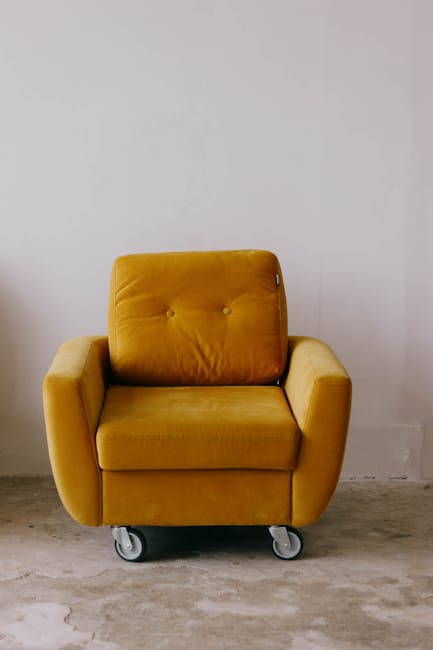
If you trade in Brixton Village, you already know the seating, banquettes, stools, and soft furnishings do more than fill space. They set the tone before a customer has even glanced at the menu or browsed the rails. That is why Brixton Village upholstery cleaning insider tips for traders matter so much: a clean sofa or banquette can lift the whole room, while a tired, stained one quietly pulls it down. In a busy market setting, dust, food spills, foot traffic, and the odd rainy-day puddle all add up fast. This guide walks through what works, what to avoid, and how traders can keep upholstery looking good without turning service upside down.
Why Brixton Village upholstery cleaning insider tips for traders Matters
In a place like Brixton Village, first impressions are not a side issue. They are part of the product. Customers notice whether a seat looks fresh, whether a bench smells clean, and whether the place feels cared for. A clean interior supports confidence. A grubby one makes people wonder what else has been skipped. Harsh? Maybe. True? Absolutely.
Upholstery in trader units takes more punishment than most people realise. Daily use compresses fibres, spills sink in quickly, and open doors bring in dust from the street. In food settings, light grease and steam can also settle into fabrics. In retail or service spaces, dyed fabrics can pick up transfer from bags, clothing, and constant handling. Over time, the issue is not just appearance. Embedded grime can shorten the life of the material, make stains harder to shift, and leave a lingering smell that is tough to ignore.
There is also a business angle that many traders only notice after the fact. If a seat looks neglected, it can weaken trust in the whole operation. That matters whether you run a cafe counter, a beauty studio, or a small hospitality corner. Cleaner upholstery helps the space feel sharper, calmer, and more intentional. And to be fair, in a market setting where footfall comes and goes all day, those little signals matter more than people admit.
Expert summary: upholstery cleaning is not just a hygiene task for traders; it is a brand-maintenance habit. The best results come from regular light care, fast spill response, and planned deep cleaning before fabric damage becomes visible.
How Brixton Village upholstery cleaning insider tips for traders Works
Commercial upholstery cleaning is usually a mix of inspection, spot treatment, deep extraction or low-moisture cleaning, and careful drying. The exact method depends on the fabric type, the level of soiling, and how much downtime the trader can afford. A velvet banquette in a sit-down venue needs a different touch from a hard-wearing synthetic bench in a takeaway counter. That sounds obvious, but it is where many rushed jobs go wrong.
Before any cleaning starts, the fabric should be checked. Different materials react differently to water, heat, and detergents. Some can handle a controlled hot-water extraction clean, while others need dry or low-moisture methods to avoid shrinking, water rings, or texture changes. If you are not sure what the fabric can tolerate, that is the moment to slow down, not speed up.
The practical workflow usually looks like this:
- Assess the fabric and the stain type.
- Vacuum thoroughly to remove loose dirt and crumbs.
- Pre-treat spots, marks, and high-contact areas.
- Apply the chosen cleaning method carefully.
- Extract as much moisture or residue as possible.
- Speed up drying with ventilation and spacing.
- Inspect again once the fabric is dry.
For traders, the hidden detail is timing. A successful clean is not only about the result; it is about fitting around opening hours, deliveries, and the general chaos of service. Early morning sessions, pre-opening visits, or split cleans are often easier than trying to squeeze everything into the middle of a busy day. One trader told us, only half joking, that the real luxury is not a spotless bench. It is not having to move twenty things twice. Hard to argue with that.
If your premises need broader support around daily upkeep, it can also help to look at commercial cleaning and deep cleaning alongside upholstery care, because the best outcome usually comes from treating the space as a whole rather than one isolated item.
Key Benefits and Practical Advantages
There are practical reasons to stay on top of upholstery cleaning, and some are more immediate than others. The obvious one is presentation. The less obvious ones often end up saving money.
- Better customer perception: fresh seating makes the whole space feel looked after.
- Longer fabric life: dirt acts like sandpaper over time, wearing fibres down.
- Reduced odour build-up: regular cleaning helps prevent stale smells from taking hold.
- Fewer permanent stains: quick treatment improves the odds of full removal.
- Healthier environment: dust, crumbs, and trapped debris do not linger as long.
- Less disruption later: smaller maintenance cleans are easier than emergency overhauls.
There is also a commercial benefit that does not always get spoken about plainly. Clean upholstery can help traders avoid the "we'll sort it later" spiral. You know the one. A tiny stain becomes a patch, the patch becomes a complaint, and suddenly the item is no longer part of the brand story but an awkward problem at the edge of the room. Bit dramatic? Maybe. But that is often how it goes.
If you rely on upholstered seating for a customer experience, pairing it with routine upkeep like regular cleaning and occasional one-off cleaning can keep standards consistent without overcommitting resources.
Who This Is For and When It Makes Sense
This topic matters most to traders who welcome customers into a physical space. That includes cafes, small eateries, salons, wellness rooms, barbers, studios, shared retail spaces, and hospitality-led units where seating forms part of the experience. It also matters if your upholstery sees spill risk, frequent turnover, or long opening hours. In Brixton Village, that is most traders, truth be told.
It makes particular sense in a few common situations:
- you have visible staining or dull patches on seating
- customers often sit close to the fabric, so odours are noticeable
- you have light-coloured upholstery that shows marks quickly
- staff are wiping surfaces daily but the fabric still looks tired
- you are preparing for a relaunch, menu update, or seasonal refresh
- you want to extend the life of furniture before replacement becomes necessary
It is also a sensible move after renovations, high-volume trading periods, or a stretch of wet weather when grime creeps in faster than usual. If the space is part of a wider property refresh, traders sometimes coordinate upholstery work with window cleaning and office cleaning so the whole unit feels reset rather than piecemeal.
Not every trader needs the same schedule. A calm appointment-only studio may need periodic care, while a food-led venue with heavy traffic might need more frequent attention. The right interval depends on use, fabric type, and how unforgiving your customer base is. And yes, some customer bases are extremely unforgiving.
Step-by-Step Guidance
If you want a practical, low-drama way to manage upholstery cleaning, use a routine rather than waiting for visible damage. The following steps work well for most trader settings, though the fabric and stain type should always guide the final approach.
1. Start with a quick fabric check
Look for care labels, trim details, loose stitching, fading, and previous repairs. If a seat already has damage, it may need a gentler method or localised treatment. A quick check saves a lot of awkwardness later.
2. Remove loose dirt first
Vacuum the fabric thoroughly, including seams, corners, piping, and under cushions. This is not optional. Loose grit and crumbs get in the way of cleaning products and can make the fabric look smeared instead of fresh.
3. Treat spots before the main clean
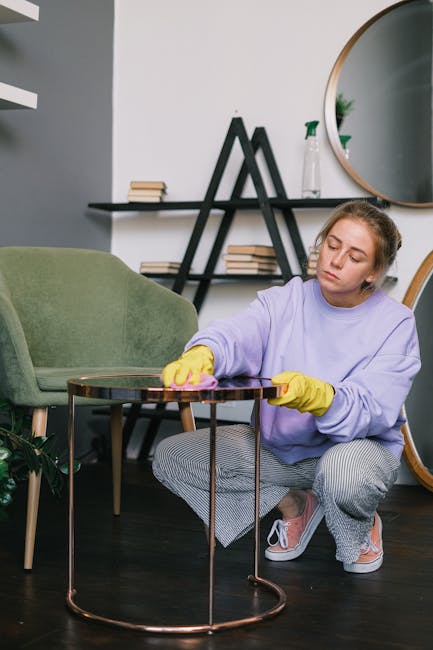
Stains should be handled by type where possible. Food spills, drink marks, and oily residue behave differently. Blot rather than rub. Rubbing tends to push the mark deeper. A clean white cloth is often better than a colourful towel that might transfer dye. Small thing, big difference.
4. Choose the right method
For durable upholstery, a controlled extraction clean may be suitable. For more delicate fibres, a lower-moisture or specialist approach is safer. If you are unsure, it is better to protect the fabric than to chase a slightly faster result. A soaked seat is nobody's friend.
5. Keep moisture in check
Too much water can create watermarks, long drying times, and musty smells. The aim is not to saturate. It is to clean efficiently and leave the minimum residue possible.
6. Dry properly
Open ventilation where possible and avoid placing cushions back too soon. In a busy unit, this is often the step people rush, because the temptation is to reset the room immediately. Resist that impulse. A slightly slower return to service is better than trapping damp into the fabric.
7. Inspect once dry
Look again in natural daylight if you can. Under warm indoor lighting, a faint mark can disappear until morning, and then there it is, announcing itself like an unpaid bill.
A useful extra approach is to combine upholstery work with sofa cleaning or rug cleaning where the room contains mixed soft furnishings. That keeps the look consistent and avoids one freshly cleaned item making the rest seem even worse.
Expert Tips for Better Results
In practice, the best results come from small habits repeated consistently. Here are the insider moves that tend to make the biggest difference for traders.
- Act fast on spills: blot immediately and avoid heat until you know the stain type.
- Use fabric-safe products only: strong does not mean effective, and it can backfire.
- Work from the outside of the stain inward: that helps prevent spreading.
- Protect high-contact zones: armrests, seat fronts, and headrests need extra attention.
- Rotate cushions where possible: it spreads wear more evenly.
- Keep a simple care log: note what was cleaned, when, and what stains reappeared.
- Plan around service rhythm: clean before the room gets noisy and crowded, not after.
One small but important tip: do a scent test after drying. Not a dramatic sniffing ceremony, just a quick normal check. Fabrics sometimes look fine but still carry a faint damp or greasy note. If you catch that early, you can usually fix it before customers ever notice.
Another useful habit is to pair upholstery cleaning with broader fabric care. For example, if your premises include mats, occasional carpet cleaning can help stop ground-in dirt from travelling into seating areas in the first place. Clean floors, cleaner seats. Simple, really.
Common Mistakes to Avoid
Most upholstery problems do not come from one huge error. They come from repeated small ones. Let's be honest, that is how a lot of maintenance issues happen.
- Using too much water: oversaturation leads to long drying times and possible marks.
- Scrubbing aggressively: this can distort fibres and make stains spread.
- Ignoring the fabric type: not all upholstery behaves the same way.
- Waiting too long: old stains are harder to remove and may have set permanently.
- Using multi-purpose cleaners without testing: some products leave residue or discolouration.
- Reusing dirty cloths: that just moves grime around.
- Putting customers back too early: damp fabric and public use do not mix well.
A less obvious mistake is cleaning only the visible centre of the seat and skipping the back, edges, and seams. Those areas often carry the dirt load. If you want the piece to look truly clean, you need the parts people do not notice at first glance. That is where the real difference shows.
Tools, Resources and Recommendations
You do not need a warehouse of equipment to maintain decent upholstery standards, but a few sensible tools help a lot. For traders managing smaller spaces, the basics are often enough for day-to-day care, while deeper work is better left to a trained cleaner with the right equipment.
| Method | Best for | Pros | Watch-outs |
|---|---|---|---|
| Vacuuming and spot treatment | Daily or weekly upkeep | Quick, affordable, reduces build-up | Won't remove deep-set grime |
| Low-moisture cleaning | Sensitive fabrics and light business use | Shorter drying time, gentler on materials | May need more frequent repetition |
| Hot-water extraction | Durable fabrics with heavier soiling | Deep soil removal, strong reset effect | Requires care with moisture and drying |
| Specialist stain treatment | Targeted problem areas | Useful for isolated marks | Needs fabric testing first |
When choosing support, look for clear communication, realistic timing, and a proper understanding of commercial use. A trader does not need theatrical promises. You need somebody who understands access windows, customer flow, and the fact that a two-hour job might really be a three-step shuffle around deliveries. Practicality wins.
If you are comparing related support services, it may also help to review pricing and quotes early so you can judge whether planned cleaning fits your budget rather than waiting until the upholstery is visibly tired.
Law, Compliance, Standards, or Best Practice
For traders, upholstery cleaning is usually guided more by good practice than by a single rulebook. Still, there are sensible expectations to keep in mind. Businesses have a general duty to maintain a safe and hygienic environment, and in food, hospitality, and customer-facing settings, cleanliness is part of that responsibility. You do not need to overcomplicate it, but you do need to stay consistent.
Best practice includes using suitable products, following manufacturer care guidance where available, and keeping cleaning methods compatible with the fabric. If staff are handling chemicals or equipment, basic training matters. So does safe storage. A cleaner, safer process protects both the furniture and the people using it.
It is also wise to pay attention to insurance and contractor practices where outside help is involved. If a service provider is working in your unit, you want to know they understand access, equipment safety, and how to avoid damage. That is why clear policies and sensible precautions are worth asking about. The paperwork may not be glamorous, but it matters. If you want more reassurance on those points, pages such as health and safety policy, insurance and safety, and terms and conditions can help set expectations before work begins.
For many traders, sustainability is part of the picture too. Using the right amount of water, avoiding unnecessary waste, and choosing longer-lasting maintenance over premature replacement all support that mindset. If this matters to your business, it is worth exploring recycling and sustainability as part of your wider cleaning approach.
Options, Methods, or Comparison Table
Not every upholstery situation needs a full deep clean. Sometimes a lighter intervention is enough. Sometimes it really is not. Here is a simple comparison to help traders decide what makes sense.
| Approach | Best use | Downtime | Typical outcome |
|---|---|---|---|
| Daily wipe-down and vacuuming | Low to moderate use, minor debris | Very low | Keeps appearance steady, prevents build-up |
| Targeted spot treatment | Fresh spills and isolated marks | Low | Can stop a stain from becoming permanent |
| Scheduled professional upholstery cleaning | General refresh, odour control, visible dullness | Moderate | Noticeable improvement in look and feel |
| Full deep clean with surrounding fabric care | Heavy use, mixed soft furnishings, longer neglect | Higher | Best reset, but needs better planning |
There is no one-size-fits-all answer, and that is fine. A small trader may do brilliantly with routine maintenance and occasional specialist cleaning. A busier venue may need a more structured cycle. What matters is matching the method to the actual wear pattern, not to wishful thinking.
Case Study or Real-World Example
Picture a small Brixton Village trader with upholstered bench seating near the front of the unit. The seats looked fine at a glance, but by late afternoon there was a faint shadowing on the fabric, a sticky patch near one armrest, and that slightly stale smell you only really notice when the doors close for the evening. Nothing disastrous. Just enough to make the room feel a bit off.
The cleaning approach was simple: vacuum first, pre-treat the high-contact mark, clean in sections, and dry with proper airflow before the next service window. Cushions were not rushed back into place. Staff checked the seats again the next morning in natural light and found that the overall look was much sharper, while the odour issue had lifted significantly. The point is not that the job was dramatic. It was not. The point is that small, careful action prevented the seating from sliding into the "we really should sort that" category, which is a dangerous place for any trader item to live.
That is often how upholstery care works in real life. Quiet maintenance, done early, saves money and stress later. Not glamorous, but very effective.
Practical Checklist
Use this checklist before and after upholstery cleaning so nothing important gets missed.
- Check the fabric type and any care instructions
- Inspect for loose stitching, tears, or faded patches
- Vacuum seams, corners, and cushion edges first
- Blot fresh spills instead of rubbing them
- Test cleaning products on a hidden area where possible
- Use only the moisture level the fabric can handle
- Allow enough drying time before reopening seating
- Review the result in good light once dry
- Note any persistent odours or stains for follow-up
- Schedule the next maintenance clean before problems build up again
If your unit is being prepared for a wider refresh, it can be sensible to coordinate with move-in cleaning, move-out cleaning, or even after builders cleaning when the space has recently changed shape or been refurbished.
Conclusion
Brixton Village upholstery cleaning insider tips for traders come down to one simple idea: do not wait for the fabric to complain. By the time a seat looks obviously tired, the job is already harder than it needed to be. A better routine is lighter, calmer, and far less expensive in the long run.
Start with small habits, choose the right method for the fabric, and build cleaning into the rhythm of the business rather than treating it as an emergency. That approach keeps the space welcoming, protects the furniture, and helps the whole unit feel more professional day after day. Some weeks will be busier than others, of course. That is just retail life. But a steady maintenance plan gives you one less thing to chase.
Get a free quote today and see how much you can save.
And if you do nothing else this week, take one honest look at the seating in natural light. It tells the truth. Usually politely, but still the truth.
Frequently Asked Questions
How often should traders in Brixton Village clean upholstery?
It depends on footfall, fabric type, and what kind of business you run. Light-use spaces may only need periodic deep cleaning, while busier seating areas benefit from more regular upkeep and faster spot treatment. If the fabric starts to look dull or smell stale, that is already your answer.
Can I clean commercial upholstery myself?
You can handle vacuuming, light spot treatment, and basic maintenance yourself if the fabric is suitable. For deeper stains, delicate materials, or larger seating runs, a professional approach is usually safer. The wrong product or too much water can create a bigger problem than the original mark.
What is the best way to remove fresh spills from upholstered seating?
Blot the spill gently with a clean cloth and avoid rubbing. Rubbing pushes liquid deeper into the fibres and can spread the stain. After that, use a fabric-appropriate cleaner only if you know the upholstery can handle it.
Why does upholstery smell even when it looks clean?
Odours often come from residue trapped below the surface, not just what you can see. Spilled drinks, body oils, food particles, and moisture can all settle into the fabric. A surface wipe may improve appearance without removing the smell source.
Is steam cleaning safe for all fabrics?
No, and this is where people can get caught out. Some materials tolerate heat well, while others do not. Steam or hot-water methods should only be used when the fabric is suitable and the moisture can be controlled properly.
How long does upholstery take to dry after cleaning?
Drying time varies with the method used, ventilation, temperature, and how much moisture the fabric absorbed. Faster drying is always preferable in a trading environment, which is why low-moisture approaches are sometimes the better fit.
Will upholstery cleaning remove every stain?
Not always. Some marks are permanent, especially if they have been left for a long time or if the fabric has already been damaged. The aim is to improve appearance as much as safely possible, not to promise magic. Real life is a bit less neat than that.
What should traders look for in a cleaning service?
Look for clear communication, suitable cleaning methods, sensible timing, and an understanding of commercial spaces. Insurance, safety practices, and transparent pricing matter too. A good provider should be practical rather than theatrical.
Does regular upholstery cleaning help extend furniture life?
Yes. Dirt and residue wear fibres down over time, so routine cleaning helps protect the fabric and can delay replacement. That is especially valuable in customer-facing spaces where seating takes constant use.
Can upholstery cleaning be combined with other services?
Often, yes. Traders sometimes pair upholstery care with related cleaning tasks so the whole space is refreshed together. Depending on the unit, that might include carpet cleaning, window cleaning, or broader commercial cleaning.
What is the biggest mistake traders make with upholstery maintenance?
Leaving it too long. Most upholstery problems become more expensive and more frustrating when they are ignored. Regular light care and quick spill response are usually far better than waiting for a full rescue job.
When should I book a professional deep clean rather than a quick tidy-up?
If the fabric has multiple stains, lingering odours, or a general worn look that vacuuming will not fix, it is time for a proper deep clean. The same goes for units preparing for a relaunch or seasonal refresh. Sometimes a clean reset is the smartest move.